

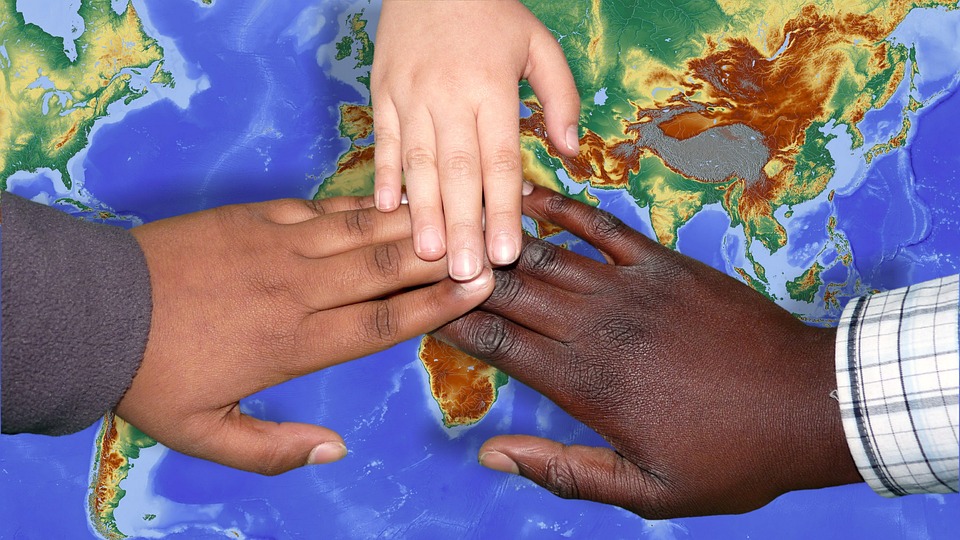
In a world marked by natural disasters, armed conflicts, and social upheaval, humanitarian aid plays a pivotal role in saving lives and fostering stability. This aid goes beyond mere relief; it is a lifeline that can restore dignity, rebuild communities, and ultimately transform lives. Understanding how humanitarian assistance functions, the challenges it faces, and the profound impact it has is essential for appreciating its significance in crises.
The Nature of Humanitarian Aid
Humanitarian aid encompasses a wide range of services and support aimed at alleviating the suffering of individuals in crisis. This includes food, water, medical care, and shelter, but it also extends to education, psychological support, and long-term recovery initiatives. Organizations such as the Red Cross, United Nations, and numerous non-governmental organizations (NGOs) operate globally to coordinate these efforts.
Immediate Relief in Emergencies
In the wake of disasters, the immediate response is crucial. Humanitarian aid provides life-saving resources such as:
- Food Security: Distributing emergency food supplies ensures that vulnerable populations do not experience hunger. Organizations often set up feeding centers and distribute food packages.
- Water and Sanitation: Access to clean water is a fundamental human right. Humanitarian efforts work to provide safe drinking water and sanitation facilities, preventing the outbreak of diseases.
- Medical Assistance: Mobile clinics and medical supplies are deployed to treat injuries and prevent health crises, particularly in regions with limited access to healthcare.
Empowering Communities
While immediate relief is invaluable, humanitarian aid also aims to empower communities for long-term recovery. This multifaceted approach reduces dependency on aid and promotes self-sufficiency.
Education Initiatives
Education is a powerful tool for transformation. Humanitarian organizations often establish temporary schools in crisis-affected areas, ensuring that children continue their education amidst turmoil. By investing in education, these initiatives foster a generation capable of rebuilding their communities.
Vocational Training
Vocational training programs are designed to equip individuals with practical skills, enabling them to find employment and support their families, thus breaking the cycle of poverty and dependency.
Psychosocial Support and Rehabilitation
The psychological impact of crises is profound. Humanitarian aid includes psychosocial support services that focus on mental health and emotional well-being. Trained counselors and community workers provide support to those traumatized by conflict or disaster, helping them cope and heal.
Challenges in Humanitarian Aid
Despite its transformative potential, humanitarian aid faces numerous challenges:
- Funding Constraints: Many organizations struggle to secure sufficient funding, hampering their ability to deliver comprehensive aid.
- Security Risks: Aid workers often operate in volatile areas, where threats to their safety can impede the delivery of services.
- Logistical Hurdles: Inaccessibility due to damaged infrastructure or natural barriers can complicate aid distribution.
- Cultural Sensitivity: Understanding and respecting local customs is crucial. Misalignment can lead to resistance from the communities being served.
The Role of Technology in Humanitarian Aid
Technology plays an increasingly vital role in enhancing the effectiveness of humanitarian aid. From the use of mobile applications to streamline donations to utilizing drones for delivering supplies in hard-to-reach areas, technological innovations create avenues for improved efficiency. Data analytics also allows organizations to assess needs more accurately and tailor their interventions accordingly.
Success Stories: How Aid Transforms Lives
Countless individuals and communities have experienced transformational change through humanitarian aid. A notable example is the earthquake recovery in Haiti after 2010. Humanitarian organizations provided shelter, medical care, and education initiatives that helped rebuild the nation better equipped for future challenges.
Another inspiring instance is the Syrian refugee crisis, where various NGOs have established programs in neighboring countries to provide education, psychological support, and vocational training, empowering refugees to start anew.
The Road Ahead: Innovations and Future Directions
Looking ahead, humanitarian aid must adapt to an evolving landscape. The increasing frequency of climate-related disasters calls for enhanced preparedness and resilience strategies. Furthermore, collaborations between governments, private sectors, and local communities will be essential for sustainable development and reducing vulnerabilities.
Conclusion
Humanitarian aid is a vital force that not only addresses immediate needs but also lays the groundwork for sustainable recovery and empowerment. As the world continues to face various crises, a collective commitment to support these humanitarian efforts is crucial. By bridging the gap between need and resources, we can transform lives and build a better future for all.